BUENA PARK WATER LEAK INFORMATION
Leak Detection in Buena Park, CA
Noticed a higher water bill, a damp spot, or water running when everything is off? Learn what to check and when professional leak detection may help.
Information you submit may be reviewed and shared with independent service contractors and campaign partners to help respond to your request. Submitting a request does not guarantee a response, service, price, diagnosis, or outcome.
Signs That May Point to a Hidden or Slab Leak
A few things tend to show up when there’s a leak somewhere in the system:
- A water bill that’s noticeably higher than usual, without a clear reason
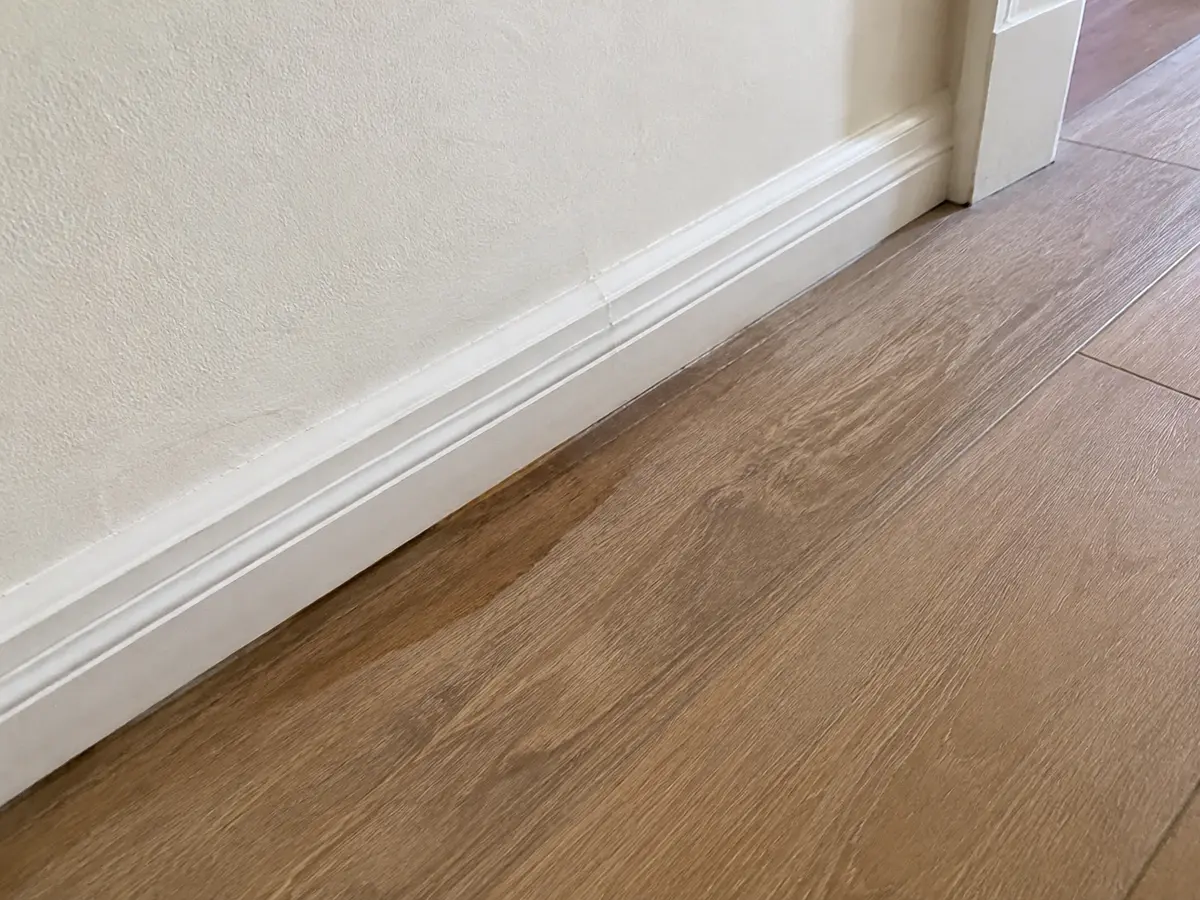
- Flooring that feels warm or damp in one spot
- A sound of running water when every fixture is off
- Water pressure that’s dropped without explanation
- A musty smell that wasn’t there before
One of these on its own doesn’t confirm a leak. They’re signs worth checking further, not a diagnosis. Flooring changes in particular are worth a closer look, since they can point more directly toward a slab-related issue.
What You Can Safely Check Before Calling
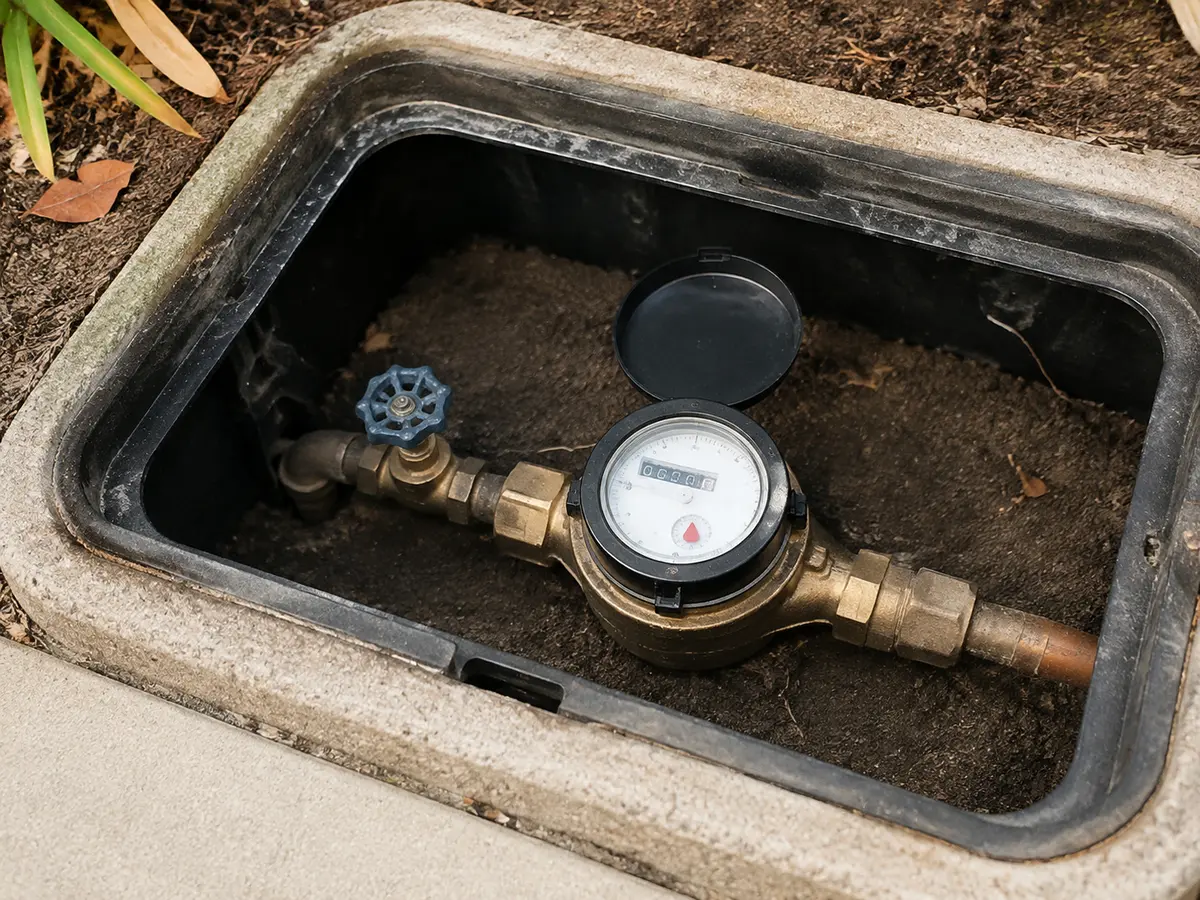
There’s a simple check you can do yourself before calling anyone. Turn off every fixture and appliance that uses water, then watch the meter to see whether it’s still moving. If it is, water use may be continuing somewhere in the system even with everything off.
It’s also worth a quick look around the property first. Visible issues such as a running toilet, dripping valve, appliance connection, or irrigation problem are worth ruling out, since they’re easier to spot and fix than something hidden behind a wall or under a slab.
Write down the time, the meter reading, which area seems affected, and whether your bill has changed recently. That gives anyone you call a clearer picture than “the bill seems high.”
If you can see active water right now, locate your home’s main shutoff and contact a professional. This page won’t walk you through pressure-gauge testing, tracer gas, or anything involving opening up plumbing. Those steps call for someone trained to do them, not a homeowner working alone.
For a more detailed walkthrough, see the Buena Park water meter leak test guide.
Find the Right Kind of Help
Depending on what you’re noticing, one of the following may fit your situation better than another.
Slab Leak Detection
Slab Leak Detection covers the signs most often tied to a leak under a concrete slab, such as warm or damp flooring, along with the general approach used to narrow down that kind of leak. It’s a good place to start if the floor itself is what’s changed.
Slab Leak Repair
Slab Leak Repair is useful once a leak has already been located and you’re trying to understand what comes next. It covers the general repair categories and the factors that typically shape which one applies.
Water Leak Detection
Water Leak Detection covers a broader range of visible and less-visible supply-side leaks that aren’t clearly tied to the slab. If your situation doesn’t match the slab-specific signs above, this page is likely the better fit.
Buena Park Water Meter Leak Test
The Buena Park water meter leak test guide is the place to start if you haven’t done your own meter check yet. It walks through the observation steps in more detail than covered above.
Already have a confirmed private-property plumbing problem and need a plumber? View pipe leak repair help.
How Leak Detection Generally Works
Every property is different, but a diagnostic approach tends to follow a similar sequence.
01
Confirm
The first step is establishing whether there’s actual evidence of a supply-side issue, based on usage patterns, sound, moisture, or pressure changes.
02
Isolate
From there, narrowing things down usually means separating sections of the plumbing system, one branch or area from another, to reduce where the problem is likely to be.
03
Locate and Cross-Check
Tools suited to the situation are used to look for anomalies in the isolated area. Where practical, a suspected spot gets confirmed using more than one method rather than a single reading.
04
Document and Report Findings
What’s provided afterward, whether that’s notes, photos, or a written summary, depends on who handles the visit.
This is a general overview, not a description of one specific provider’s exact steps. Your property and the person who responds to your call will shape how it actually plays out.
Leak detection helps narrow the probable source or affected area. It doesn’t guarantee an exact point before any further work begins.
Information you submit may be reviewed and shared with independent service contractors and campaign partners to help respond to your request. Submitting a request does not guarantee a response, service, price, diagnosis, or outcome.
Checking Your Meter and Using WaterSmart
There are two ways to get more information here, and they tell you different things.
A physical meter check means turning off everything that uses water in your home, then watching to see whether the meter still shows movement. If it does, water use may be continuing somewhere, even with known fixtures and appliances off.
Buena Park also offers WaterSmart, a free tool that helps customers review their daily water use. The City states that WaterSmart tracks water passing through the meter during the day and night, and it may alert customers when it detects excessive or continuous flow.
Neither approach tells you exactly where a leak is, what’s causing it, or confirms for certain that one exists. A physical meter check is something you do in the moment; WaterSmart is more useful for spotting a pattern over time. Both give you useful information, not final answers. For step-by-step guidance, see the Buena Park water meter leak test guide.
Is This a City Matter or a Private Property Issue?
Buena Park’s official Public Works FAQs direct residents to the Utilities Division for specific situations: a leaking water meter, low water pressure, or water bubbling in the street. For those particular issues, the City’s Utilities Division is the right first contact.
Other situations aren’t always as clear. Responsibility comes down to where the issue is located and what’s causing it, so it’s worth contacting the City, and where relevant, your property manager or HOA, for clarification before assuming who’s responsible.
A leak-detection result can help narrow the probable source or affected area, but it won’t determine legal ownership, payment responsibility, insurance coverage, or HOA liability. Those questions typically rest on your specific policy, lease, or governing documents.
What Detection Tools Can (and Can’t) Tell You
Thermal Imaging
Thermal imaging shows surface-temperature patterns; it doesn’t see water directly. A temperature difference isn’t proof by itself. It’s usually one piece of evidence checked against another method before anyone draws a conclusion.
Acoustic Listening
Acoustic listening picks up on sound associated with escaping water. How well it works comes down to the property: pipe material, depth, surrounding materials, and background noise all affect what can actually be heard.
Pressure and Isolation Testing
Pressure and isolation testing can confirm that pressure is dropping somewhere in a closed section of plumbing, which tells you there’s a problem, but not exactly where within that section.
Tracer Gas
Tracer gas is a more specialized method requiring professional setup and controlled conditions. It isn’t something a homeowner would attempt alone.
No single method can guarantee an exact leak location in every situation. Comparing findings from more than one method, where practical, tends to give a more reliable picture than relying on one tool.
Repair Options After a Leak Is Located
Once a leak has been found, there are a few general categories of repair worth knowing about.
Spot Repair
Spot repair addresses a specific point in the line without replacing a larger section of pipe.
Rerouting
Rerouting moves the affected line to a new path instead of repairing it where it sits.
Repiping
Repiping is a broader approach that replaces more of the system, typically considered when a pipe has failed in multiple places or is nearing the end of its useful life.
Which of these fits your situation comes down to what an inspection finds: the pipe’s condition, its location, and the extent of the problem. This is general information, not a recommendation for your specific case. For more detail, see slab leak repair options.
Who You’re Connecting With
Leak Detection Team provides general information and may connect callers with independent service providers. You can read more about how that connection works on the How It Works page.
Common Questions
Closing Guidance and Lead-Connection Disclosure
If you’re still working through your options, checking your meter or WaterSmart account is a solid first step. From there, the slab leak detection and water leak detection pages go into more detail depending on what matches your situation.
When you call, your inquiry may be connected with an independent service provider. That connection process is explained in more detail on the How It Works page.