
SLAB LEAK REPAIR — BUENA PARK
Slab Leak Repair in Buena Park, CA
Once a leak has been located or assessed, the next question is usually what repair might involve. This page walks through what can shape that decision and what’s worth clarifying before any work begins.
Information you submit may be reviewed and shared with independent service contractors and campaign partners to help respond to your request. Submitting a request does not guarantee a response, service, price, diagnosis, or outcome.
What Slab Leak Repair Involves
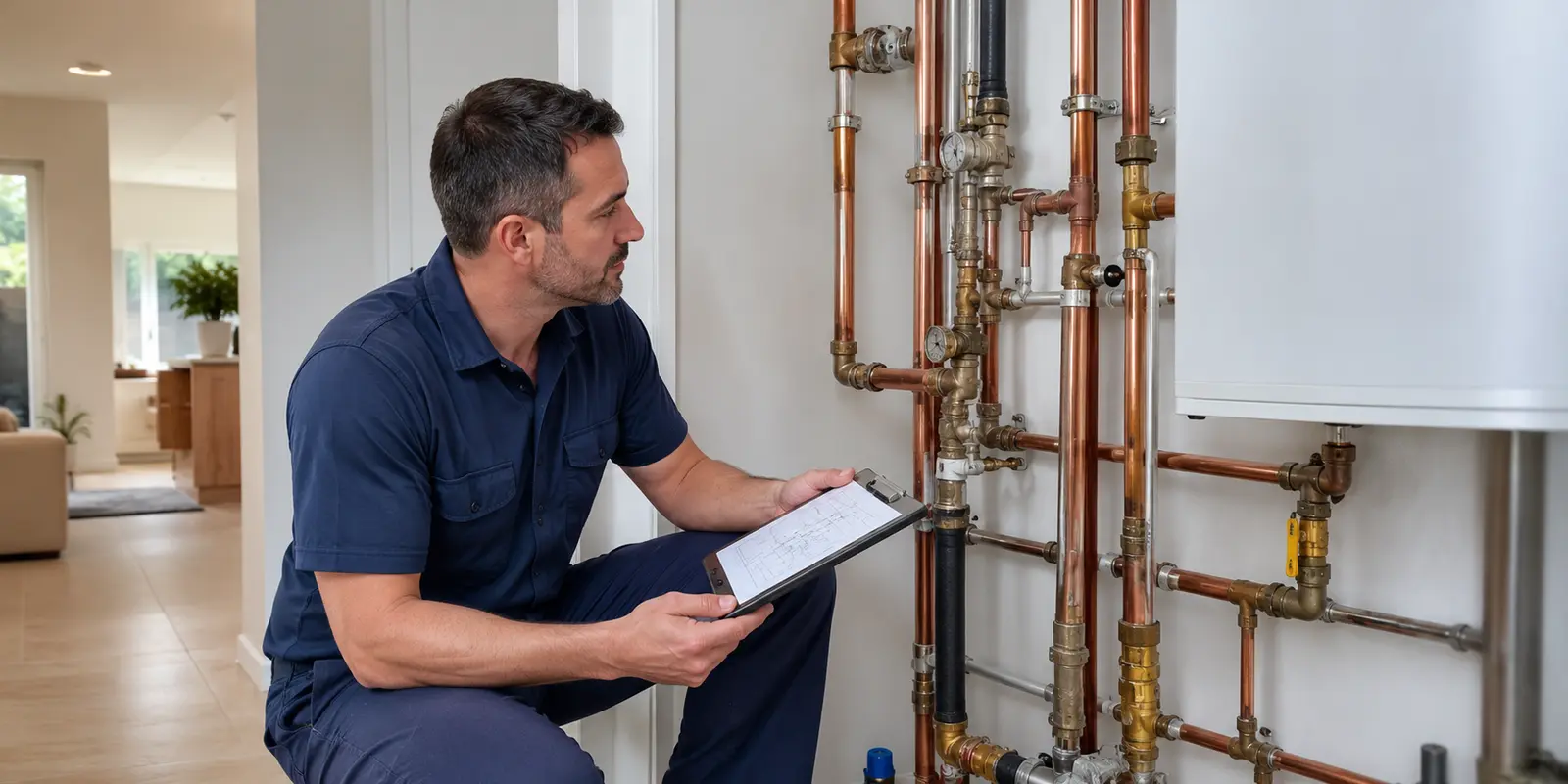
Once findings from an inspection or assessment are available, they become the starting point for a conversation about repair. That conversation typically covers where the affected pipe is, its condition, and what a reasonable next step might look like. It’s worth being clear about one thing up front: having a leak located or assessed doesn’t automatically mean repair work begins. Findings are reviewed, options are discussed, and the property owner decides how to move forward. The amount of access needed and the effect on flooring can vary with the findings and the scope the property owner authorizes.
What Affects the Repair Approach
There isn’t a single formula for choosing a repair method. A handful of practical factors tend to come into play, and they often interact with each other.
Leak Location
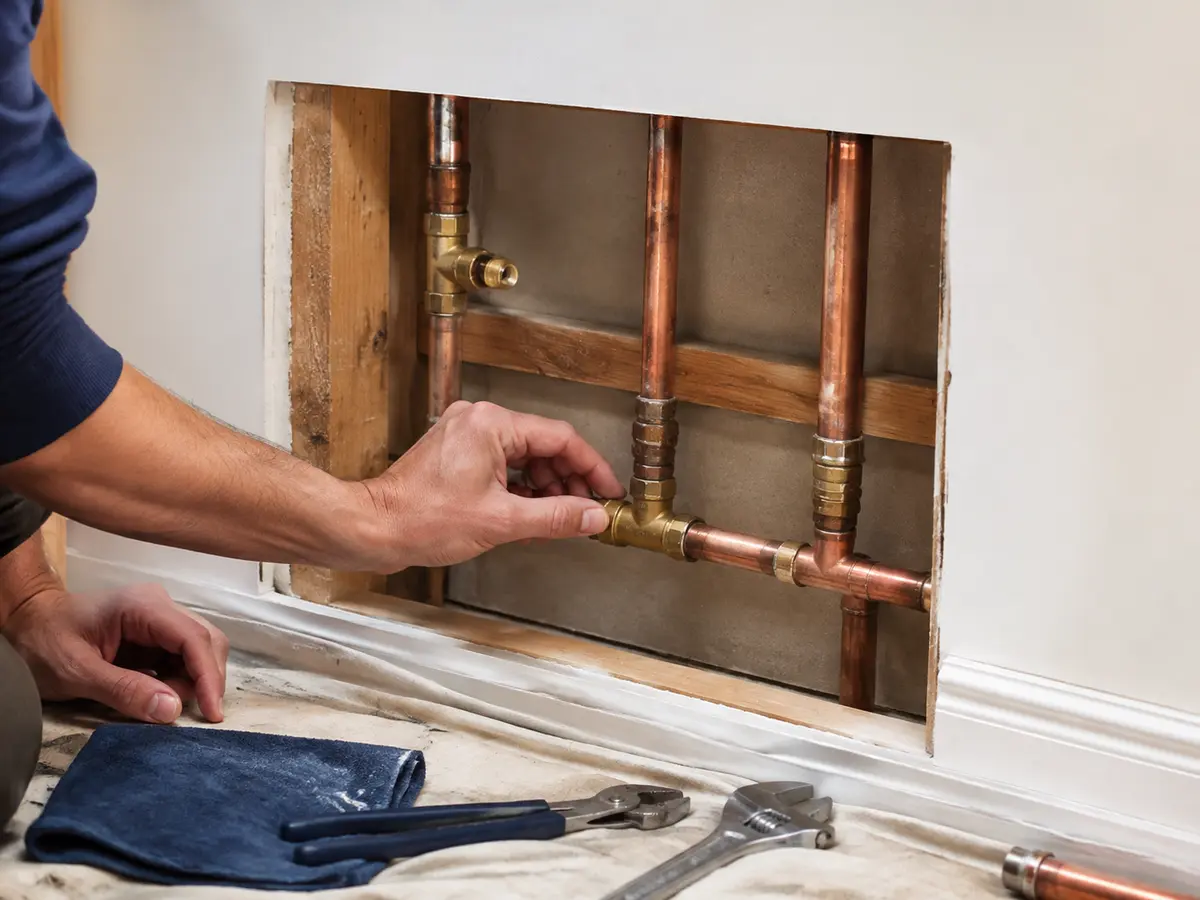
Where the affected pipe sits matters a lot. A section running near an exterior wall may be easier to reach than one buried deeper under a living space. The likely access point, whether through flooring, a wall, or another area, can help shape which repair approaches are practical.
Pipe Condition
What’s known about the pipe’s material and general condition can influence whether a narrow, isolated repair makes sense or whether a broader approach gets discussed instead. Older piping or signs of wear nearby sometimes change that conversation, though this varies case by case.
Accessibility
Flooring type, nearby fixtures, walls, and other structures all play into how much access a repair might need. A bathroom near plumbing fixtures presents different access considerations than an open hallway, for instance, and that difference can affect both the approach and the finish work involved.
Extent of Damage
It helps to separate two things: the affected pipe section itself, and any surrounding water or finish damage that may have resulted from the leak over time. These aren’t always the same size or shape, and understanding the difference, without assuming anything structural, is part of what gets reviewed before repair options are discussed.
Flooring and Slab Considerations
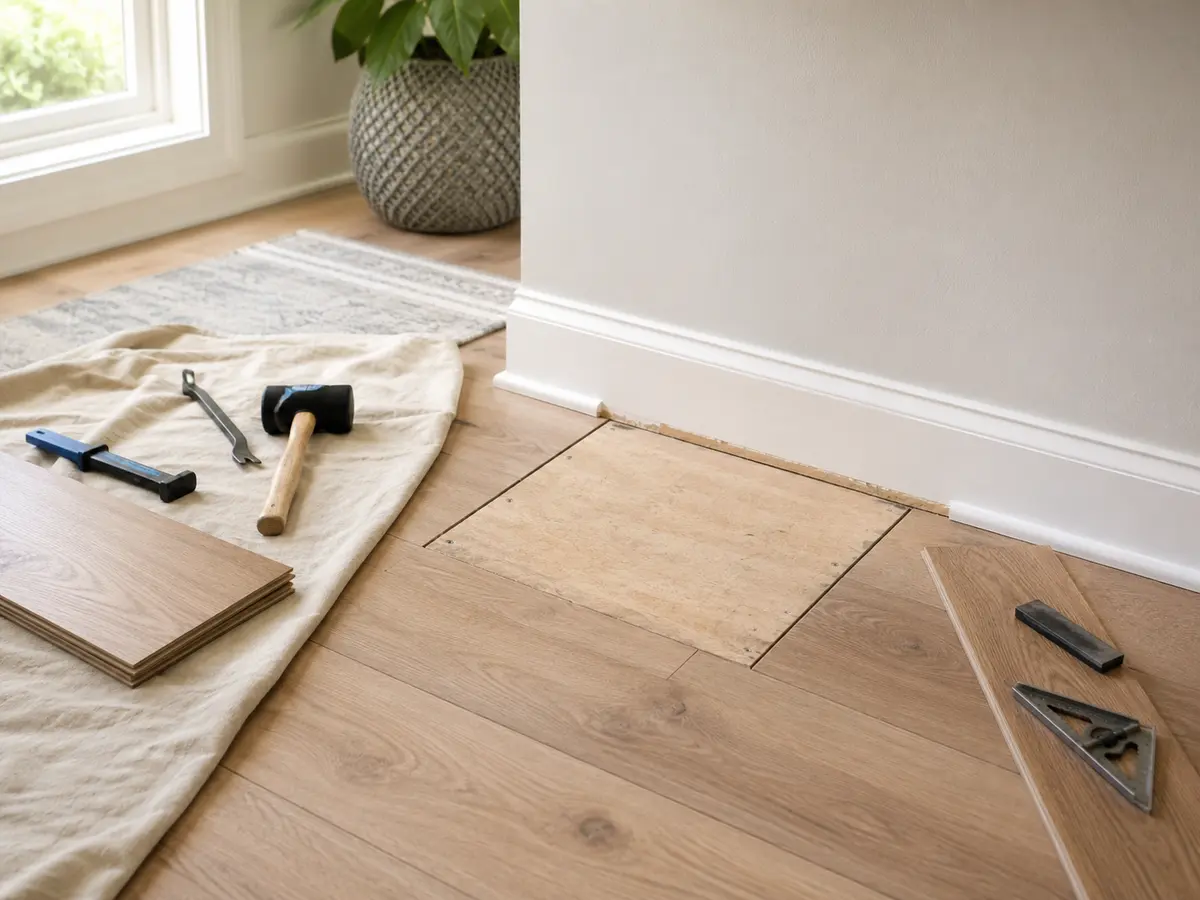
Tile, hardwood, carpet, and other finishes each behave differently when access is needed. Some finishes can be removed and reinstalled more easily than others, and that can affect both the repair plan and what restoration work might follow afterward.
Common Repair Approaches
No single repair method is right for every situation. The approach that makes sense depends on the factors above, and it’s typically something to discuss once findings are in hand rather than something decided in advance.
Direct (Spot) Repair
This means accessing and repairing the specific section of pipe where the issue was found. How much access this requires depends heavily on where that section sits and what’s above or around it. A spot repair near an easily reached area looks very different from one under a finished floor.
Pipe Rerouting
Rerouting creates a new path for the water line around the affected section rather than repairing that section in place. It may reduce the need to open one area while requiring access somewhere else. The amount and location of that access depend on the plumbing layout and the route being considered.
Broader Repiping
Broader repiping may be discussed when the findings suggest concerns beyond one isolated pipe section. It’s not something that’s always necessary, and it isn’t automatically the cheaper or better option. It’s simply one possibility that comes up in certain situations, depending on what the assessment shows.
What May Happen Before Repair Work Begins
The details and order can vary by situation. The following points may be considered before repair work begins.
Review available findings. Whatever information exists from an inspection or assessment gets looked at as the starting point.
Discuss possible repair approaches. Based on those findings, the realistic options get talked through.
Clarify the expected scope and affected finishes. What areas might be touched, and what that could mean for flooring or walls, gets addressed before anything moves forward.
Obtain the property owner’s authorization. Nothing proceeds without the property owner agreeing to the scope of work.
To put it plainly: locating a leak doesn’t automatically authorize or begin repair work. That decision belongs to the property owner, and it comes after the steps above, not before them. For a broader look at what to expect, see how it works.
Questions to Ask Before Agreeing to Work
Before signing off on any repair, it can help to ask a few direct questions. Here are some worth considering:
- What pipe section appears to be affected?
- Where might access be needed to complete the repair?
- What exactly is included in the proposed scope of work?
- Will water need to be shut off, and if so, when and for how long?
- Who handles flooring, drywall, paint, or other finish restoration afterward?
- What kind of follow-up, if any, might be needed once the work is done?
These are meant as starting points for your own conversation, not commitments made on this page.
Flooring, Wall, and Finish Restoration
Plumbing repair and flooring, drywall, paint, or other finish restoration may be separate scopes of work. Before authorizing anything, the property owner can ask whether the proposed scope covers only the pipe repair or also includes the finish work that may follow. The planned access point can affect which surfaces need attention afterward. If different people or trades will handle those tasks, it helps to clarify who is responsible for each part. The answer varies by situation, so it is safer to confirm the scope in writing than to assume damaged finishes will automatically be restored.
Detection and Repair Serve Different Purposes
Detection and repair answer different questions. If the leak still needs to be confirmed or narrowed down, slab leak detection focuses on locating where water may be escaping. Repair is discussed after findings are available and focuses on the affected pipe or an approved alternative. Not every leak involves the slab, either. Some situations call for water leak detection instead, which covers a broader range of plumbing concerns beyond what’s under the foundation.
If the identified plumbing problem is not beneath the slab, review the broader pipe leak repair service path.
Common Questions About Slab Leak Repair
Request Help With a Located Slab Leak
If you have findings from an inspection or need help understanding possible repair next steps, you can submit the contact form.
If a plumber, inspection, or other reliable finding has already identified a private-property slab-related pipe problem and you now need repair help, call +1 (657) 452-3030.
Leak Detection Team is not a plumbing or leak-repair contractor and does not itself perform repair work.
Information you submit may be reviewed and shared with independent service contractors and campaign partners to help respond to your request. Submitting a request does not guarantee a response, service, price, diagnosis, or outcome.